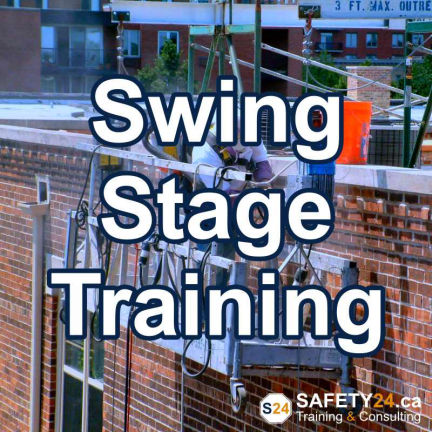
Why Training is Essential for Operating or Installing a Swing Stage
Swing stages, or suspended scaffolding systems, are indispensable tools in the construction, maintenance, and repair industries. They provide a safe and efficient way to access hard-to-reach areas, from high-rise buildings to bridges. However, their use comes with inherent risks, making proper training essential for anyone involved in their operation or installation. Here’s why training is not just recommended—it’s a critical requirement.
1. Ensuring Safety
The primary reason for swing stage training is safety. Without proper knowledge, workers risk equipment failure, falls, or other potentially fatal accidents. Training programs cover essential safety protocols, including how to secure the platform, inspect equipment, and respond to emergencies.
Proper training ensures workers understand load limits, anchor points, and fall protection systems, significantly reducing the chances of incidents on the job site.
2. Compliance with Regulations
Governments and industry bodies impose strict regulations on the use of suspended work platforms. For example, OSHA in the United States and CSA standards in Canada require specific training for operators and installers to ensure safe practices. Failing to comply with these regulations can result in fines, project shutdowns, or legal liabilities for employers.
Certified training helps workers and companies meet these regulatory requirements, providing peace of mind and protecting against potential legal consequences.
3. Proper Installation Techniques
Installing a swing stage is a complex process that requires precise techniques. Missteps during installation—such as improper anchoring, incorrect assembly, or insufficient counterweight—can lead to catastrophic failures. Training programs teach installers how to properly secure the system, distribute weight, and test for stability before use.
With this knowledge, installers can ensure the swing stage is both safe and functional, minimising risks for everyone involved.
4. Enhancing Operational Efficiency
Proper training goes beyond safety and compliance; it also improves efficiency. Trained operators know how to maneuver the platform smoothly, work within load limits, and troubleshoot common issues. This reduces downtime, prevents damage to the equipment, and ensures projects are completed on schedule.
Efficient operations translate to cost savings and higher productivity, benefiting both workers and employers.
5. Building Worker Confidence
Working at heights can be intimidating, especially for those new to the job. Training instills confidence by providing workers with the knowledge and skills needed to perform tasks safely and efficiently. Confident workers are more focused, less prone to mistakes, and better equipped to handle challenging scenarios.
6. Protecting Equipment Investment
Swing stages are a significant investment, and improper use can lead to costly repairs or replacements. Training ensures that workers handle the equipment correctly, extending its lifespan and protecting your investment.
Conclusion
Whether you’re operating or installing a swing stage, training is not optional—it’s a necessity. It protects workers, ensures compliance, improves efficiency, and safeguards equipment. By prioritizing training, companies demonstrate their commitment to safety, quality, and professionalism in every project.
Invest in swing stage training today and build a safer, more capable workforce equipped to tackle the challenges of working at heights.